


Special Maka Chivda
- Regular price
-
Rs. 269.00 - Regular price
-
Rs. 349.00 - Sale price
-
Rs. 269.00
Couldn't load pickup availability
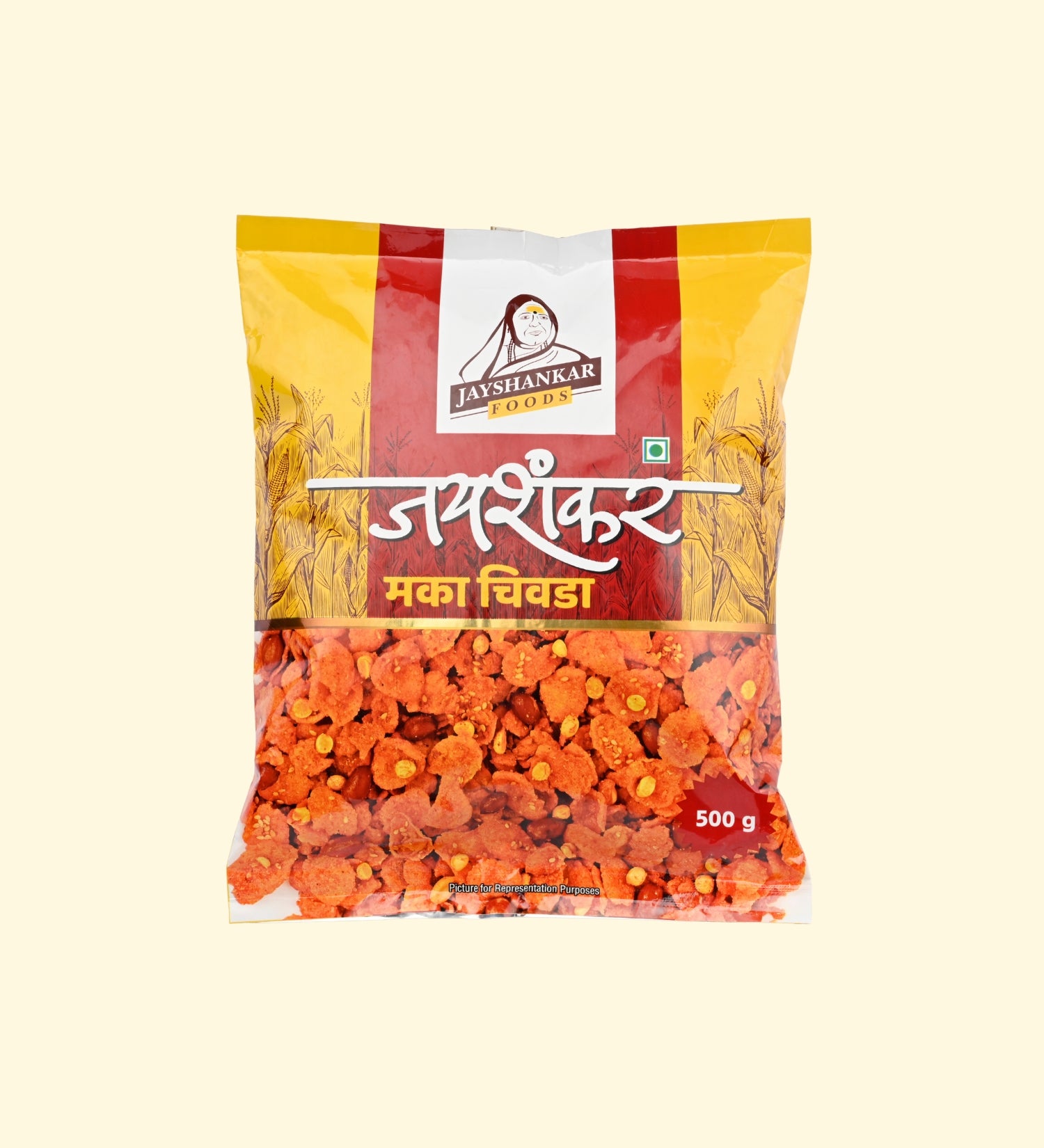
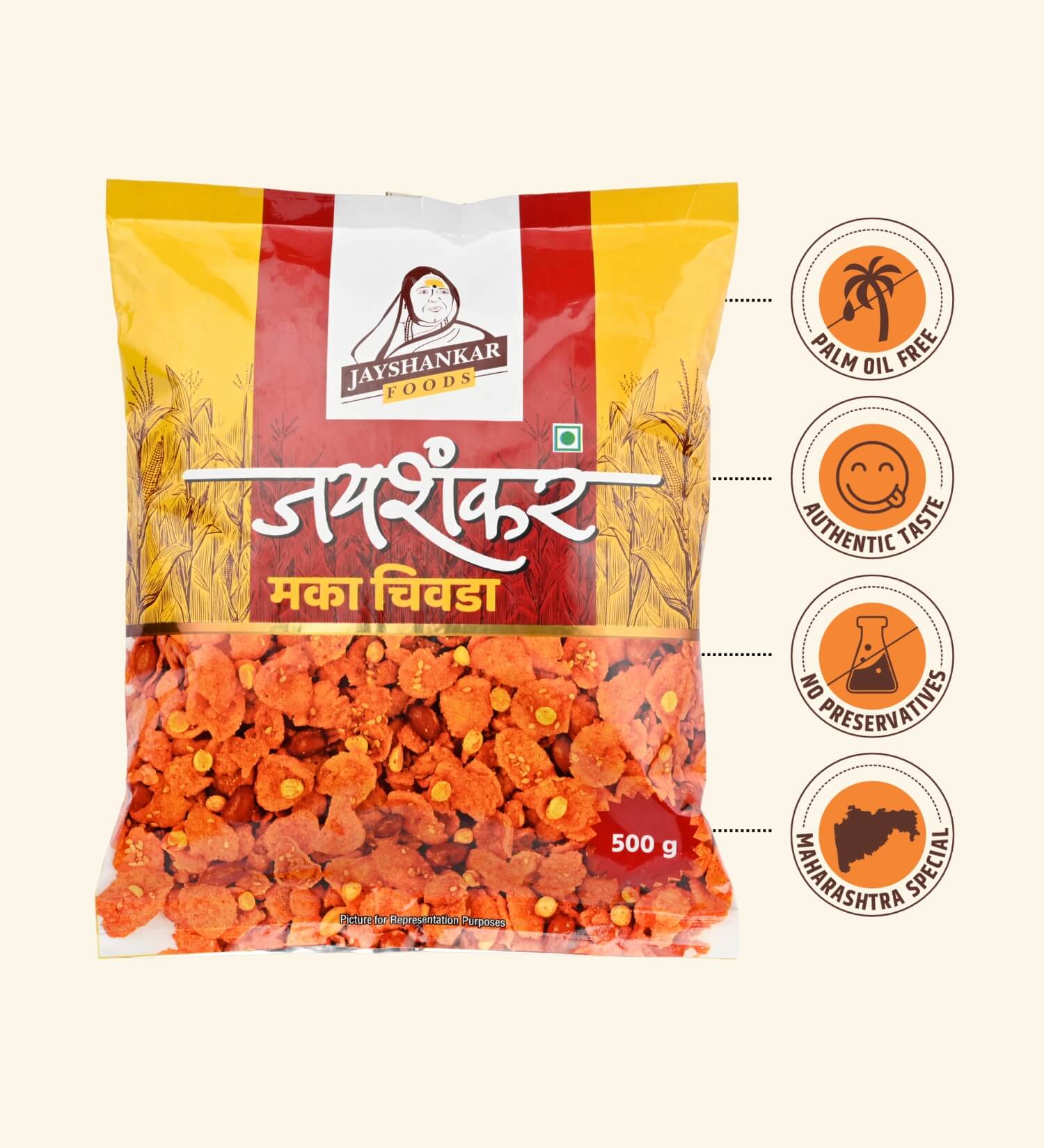
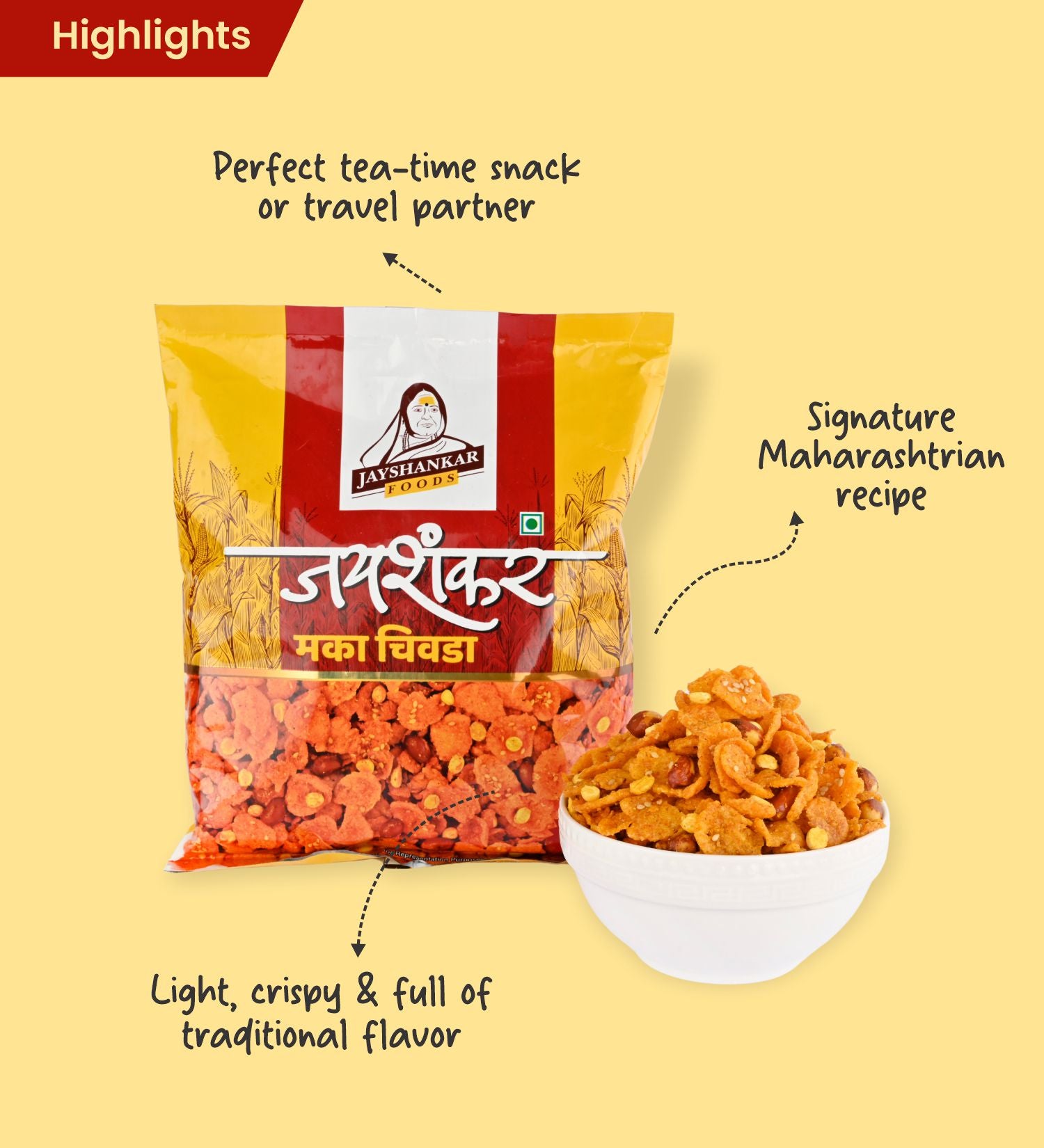
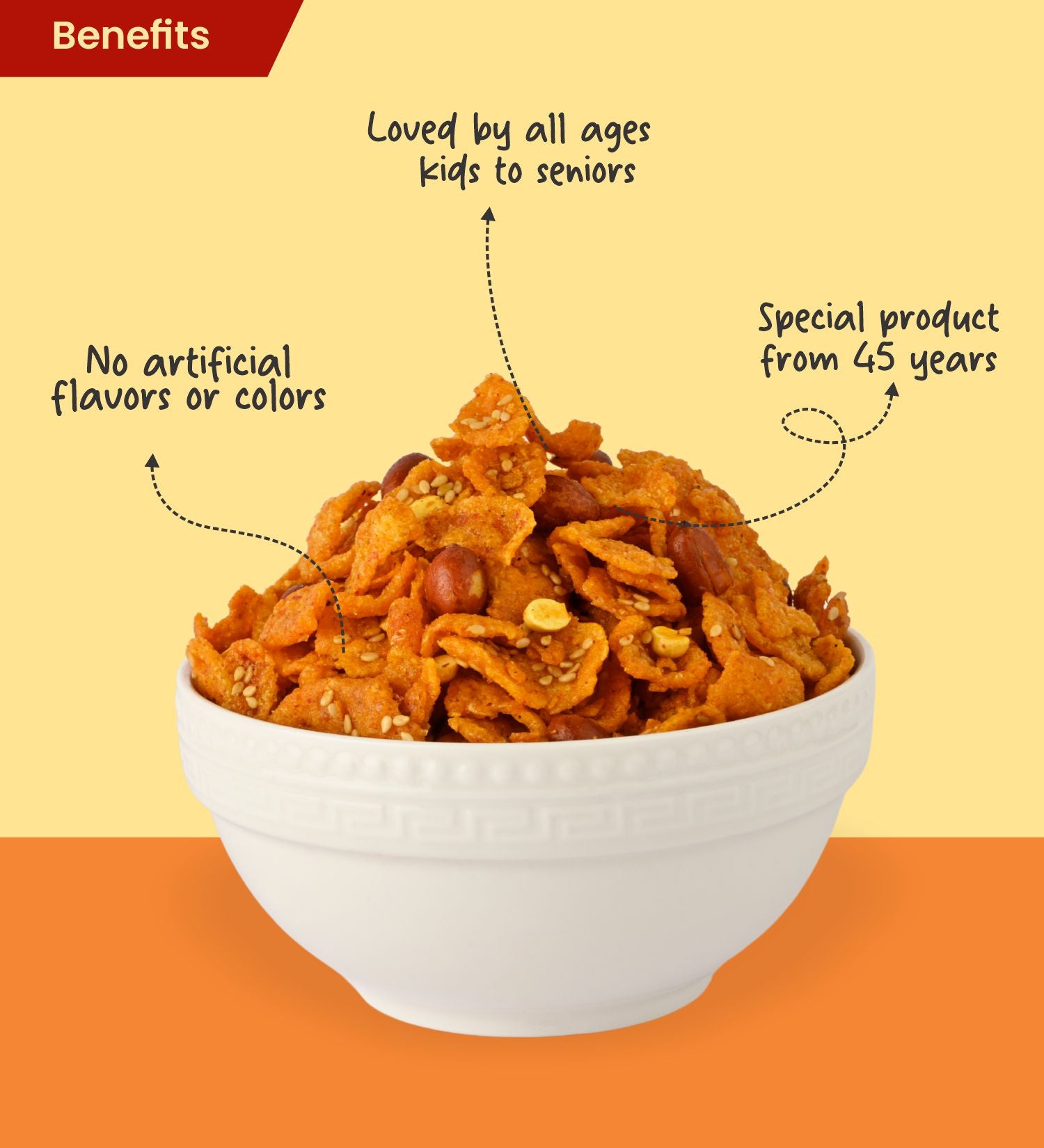
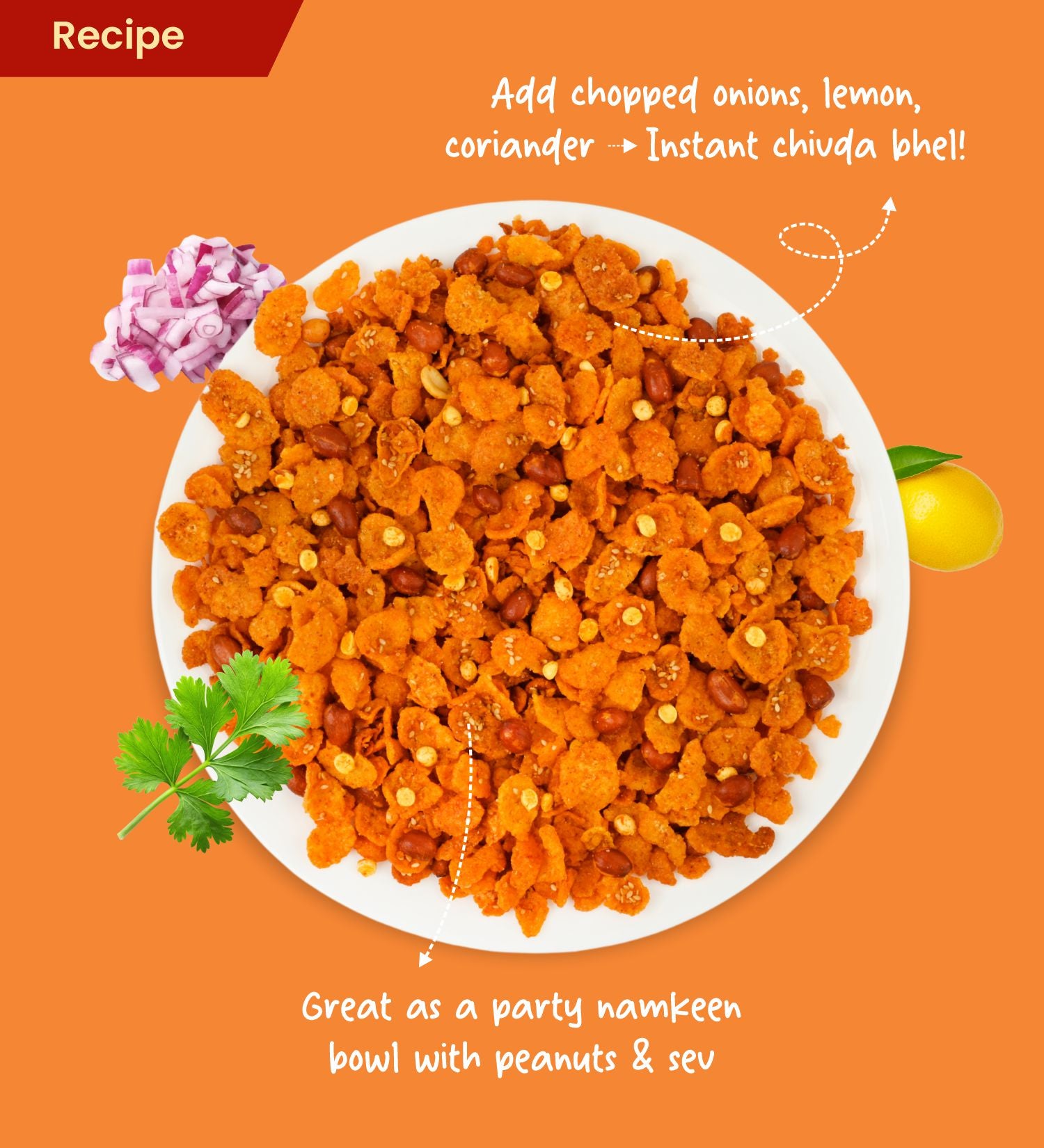
Maka Chivda is a light, crunchy snack made from makai flakes (cornflakes). Roasted with curry leaves, peanuts, and mild spices, it’s perfect for guilt-free munching. This Solapuri chivada has a natural sweetness from the corn and a satisfying crunch.
- Also called cornflake chivda or chivda corn flakes
- Crispy, not too oily, and easy to digest
- A part of everyday namkeens in Maharashtrian homes
- No artificial flavours or preservatives
- Great for travel, evening tea, or fasting snacks
- Freshly packed – Maka Chivda online now available
- Buy online in India and enjoy the taste of home







Frequently Asked Questions
Q1. What is Maka Chivda made of?
Maka Chivda is made from makai flakes (cornflakes), roasted with curry leaves, peanuts, and mild spices for a light, crunchy snack.
Q2. What does "maka" mean in Maka Chivda?
"Maka" refers to corn (makka/maize) in Marathi, so Maka Chivda is essentially a cornflake-based namkeen mix.
Q3. Is Maka Chivda spicy?
It has a mild spice level rather than intense heat, letting the natural sweetness of the corn
Q4. Is Maka Chivda a healthy, light snack?
It's described as light and easy to digest, not overly oily, making it a relatively gentle option for regular snacking compared to heavier fried namkeens.
Q5. What gives Maka Chivda its flavor besides corn flakes?
Curry leaves and peanuts are roasted in along with mild spices, adding aroma, crunch, and a savoury depth to the base cornflakes.
Q6. Does Maka Chivda contain preservatives?
No, it's made with no artificial flavors or preservatives.
Q7. What sizes and prices are available for Maka Chivda?
It's available in 250g and 500g packs.
Q8. Is Maka Chivda suitable for fasting (upvas) snacking?
It's listed as a good option for fasting snacks, travel, and evening tea, though the exact ingredients used should be checked against your specific fasting rules if you're strict about what's allowed.
Q9. How should Maka Chivda be stored to stay crunchy?
Store it in an airtight container in a cool, dry place, since exposure to air and humidity can make it lose its crunch over time.
Q10. What's the difference between Maka Chivda and Bhadang?
Maka Chivda is based on corn flakes with a lighter, milder flavor, while Bhadang is a spicier puffed rice snack with garlic and curry leaves — both are Solapuri namkeens but with different bases and heat levels.